Gardenia Blue: Natural Blue Color Specs & Applications
Gardenia Blue: Natural Blue Color Specifications and Application Scenarios
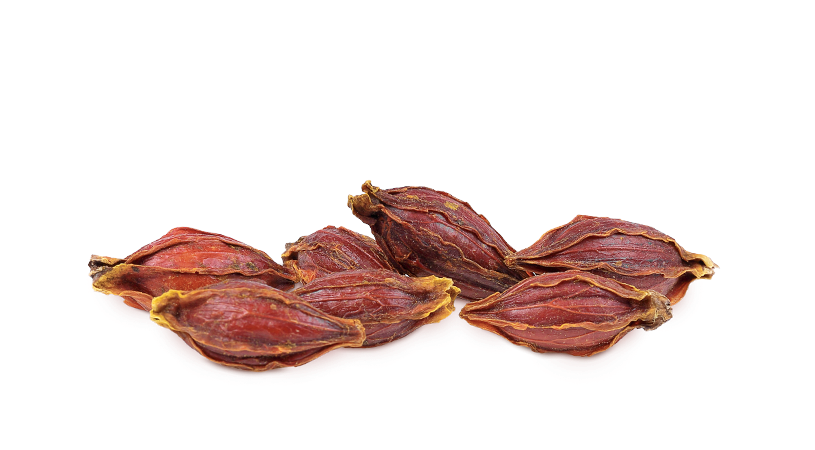
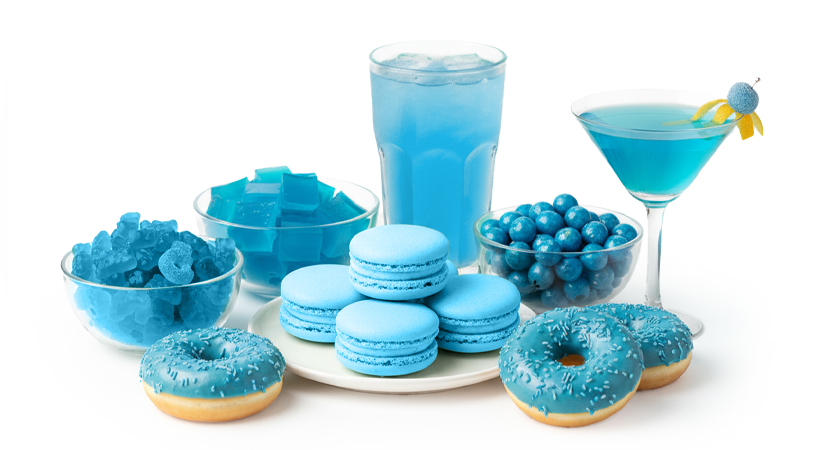
Gardenia Blue is a natural blue food colorant extracted from gardenia fruit, supplied as a water-soluble powder or an oil-soluble liquid, and used to build blue, green and purple shades in beverages, confectionery, frozen beverages, jelly and snacks. Henan Zhongda Hengyuan Biotechnology Stock Co., Ltd. produces the grade in E30 and E100 color values, with color value, dosage form and carrier customized to customer requirements. The aqueous color is described as stable across pH 4–10, with good resistance to light and heat, and fade-resistant performance through shelf life.
For product developers, Gardenia Blue solves a specific and narrow problem: how to deliver a clean-label blue in a system where algae-based and flower-based blues lose stability. This guide covers the specification, the manufacturing and compliance evidence behind it, the applications where it performs, and the questions buyers ask before the first purchase order.
The Formulation Problem: Why Natural Blue Is the Hardest Color to Source
Blue chromophores are uncommon in edible plants, so the natural color industry has far fewer blue raw materials than reds, yellows or browns. That scarcity produces four recurring constraints that formulators run into when they try to remove synthetic blue from a recipe.
1. A narrow pH window
Most alternative blues are pH-limited. Phycocyanin from Spirulina is a protein-bound pigment described as stable within roughly pH 4.5–8.0, with sensitivity to heat, light and acid depending on grade. Butterfly Pea Flower Extract is explicitly pH-sensitive: it reads blue in an acid-free system and shifts toward purple under acidic conditions. A beverage at pH 3.2 or a filling at pH 6 therefore cannot use the same blue source interchangeably.
2. Heat and light exposure during processing and shelf life
Blue is often the first color to fade in a finished product, because the degradation shows up as a visible shift toward grey or green rather than a simple loss of intensity. Retort, hot-fill, baking and high-intensity retail lighting all stress the pigment. This is why grade selection matters more for blue than for most other hues.
3. Carrier, odor and label constraints
Standard spray-dried color powders frequently use maltodextrin as a carrier, which can conflict with a short ingredient declaration or a low-sugar positioning. Some botanical blues also carry a recognizable vegetable note that is unacceptable in clear beverages or dairy. Buyers increasingly ask for carrier-free or alternative-carrier versions alongside the standard grade.
4. Market-by-market regulatory status
Natural does not automatically mean permitted. The permitted categories, maximum levels and labeling rules for any blue colorant differ between the United States, the European Union and other markets, and must be checked before scale-up rather than after.
Answer in one line: Gardenia Blue addresses the first three constraints at once — it is a botanical blue with an aqueous stability window of pH 4–10, good heat and light resistance, and no carrier requirement in its liquid and high-purity forms. The fourth constraint, regulatory status, remains market-specific and must be confirmed per project.
Industry and Regulatory Background for Blue Colorants
Two forces are pushing blue reformulation at the same time. On the demand side, clean-label expectations have moved from a premium claim to a baseline requirement in beverages, confectionery and dairy. On the supply side, formulators are actively replacing synthetic colorants across the palette, and blue is one of the last categories where a credible botanical substitute has become commercially available.
The regulatory picture for Gardenia Blue is unusually clear in the United States and still developing in Europe:
- United States: gardenia (genipin) blue meets FDA 21 CFR 73.168 and is exempt from certification. It was permanently listed as a color additive exempt from certification in 2025 and can be used in specified categories such as sport drinks, flavored or enhanced non-carbonated water, fruit drinks and ades, ready-to-drink teas, hard candy and soft candy, subject to GMP levels. It is not approved for ice cream.
- European Union: gardenia blue is currently under review by EFSA and is not yet authorized as a food color for general use. EU-bound projects require separate regulatory confirmation before development work begins.
- Other markets: permitted additive lists and category restrictions vary. Basic compliance documentation — COA, free sale certificate, Halal and Kosher certificates — supports the local filing process but does not replace it.
Behind the regulation sits a supply-chain question. Gardenia Blue is only as consistent as the gardenia fruit going into it, which is why buyers increasingly evaluate the raw-material chain and the quality system rather than the certificate alone.
Gardenia Blue Specifications, Forms and Manufacturing
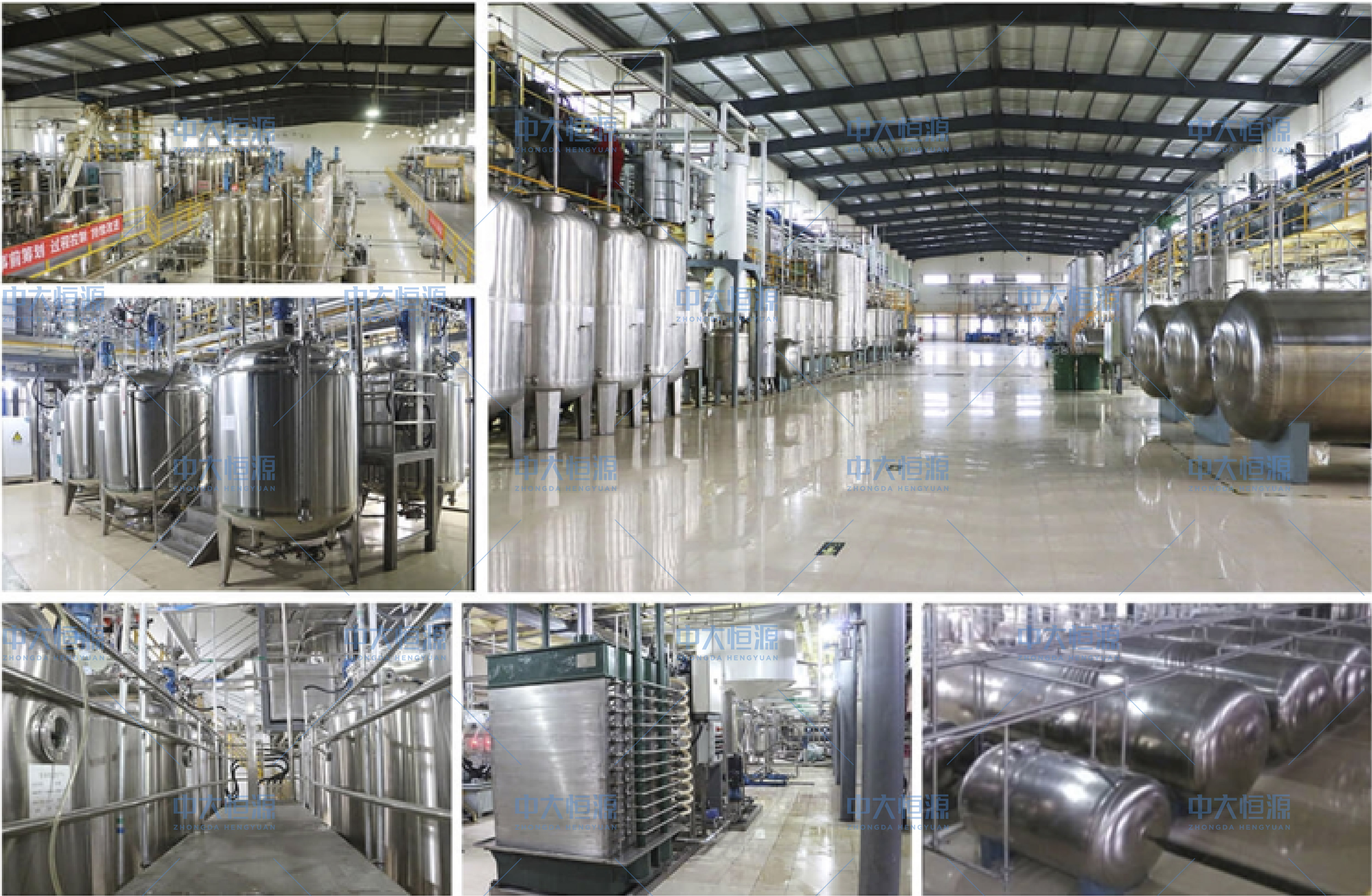
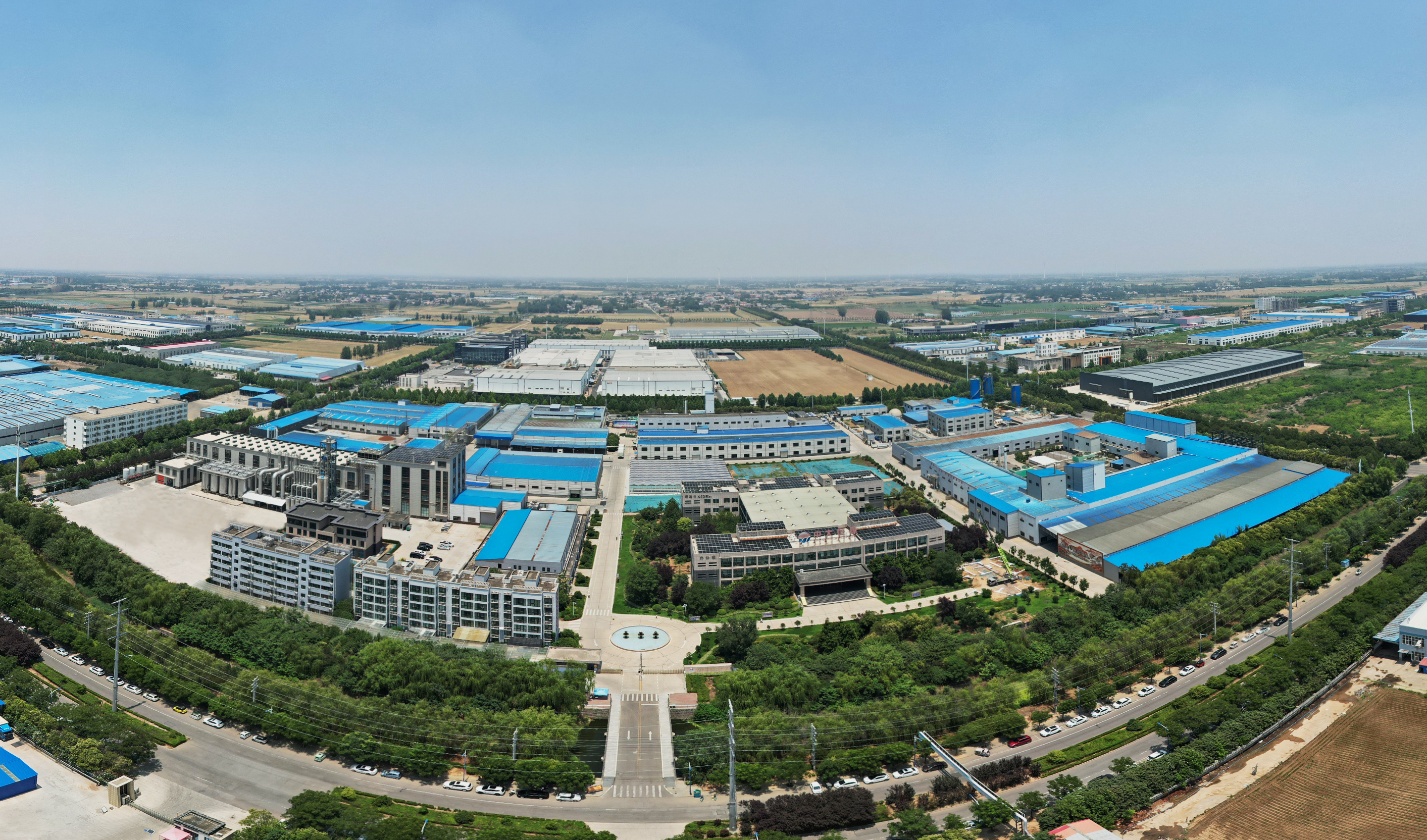
Henan Zhongda Hengyuan Biotechnology Stock Co., Ltd. is a botanical extract and natural color manufacturer founded in 1993, operating a 200,000 m² facility with 400 employees, 110 engineers and an annual output of 100,000 tonnes. The company serves more than 4,000 customers and exports to the USA, EU, South America, Russia, Southeast Asia, Korea, Japan, the Middle East and Africa, with exports representing roughly 50% of sales.
Product specification
| Parameter | Gardenia Blue — E30 / E100 |
|---|---|
| Source | Extracted from gardenia fruit (Rubiaceae family) |
| Color value grades | E30 and E100, with special customization according to customer requirements |
| Available forms | Water-soluble powder; oil-soluble liquid |
| Solubility | Easily soluble in water and ethanol solution; insoluble in acetone and grease |
| pH stability | Color stable in aqueous conditions across pH 4–10 |
| Process stability | Good resistance to light and heat; fade-resistant and stable during shelf life |
| Shade behavior | Blue in aqueous systems; blended with red or green pigment to build purple, green and other hues |
| Sensory | Odorless at normal dosage; low addition dosage |
| Grade options | Halal, Kosher and vegan-certified grade options listed for the line |
| Customization | Color value, dosage form, carrier selection (including carrier-free and alternative carriers such as gum arabic), liquid concentrate and high-purity concentrated powder |
| Typical applications | Frozen beverages, confectionery, ice cream, juice and smoothies, beverages, baked goods and snacks, jelly |
Quality system and compliance evidence
Documentation is where a natural color specification is won or lost. The relevant certificates for this supplier are:
| Certificate | Reference | Issued by | Valid to |
|---|---|---|---|
| FSSC 22000 | CQC25FS1000R2M/4100 | China Quality Certification Centre | 29 Aug 2028 |
| ISO 9001:2015 | 00123Q38181R3M/4100 | China Quality Certification Centre | 17 Nov 2026 |
| International Halal Certificate | SSPY-201318-34572 (106 products) | ShaanXi Shang Pin Yuan Halal Food & Restaurant Management Co., Ltd (SSPY) | 28 Dec 2028 |
| Kosher Certificate | FD5A4-2BT0W | KOF-K Kosher Supervision | 31 Jul 2027 |
| VeganSu | E892173R01 | Shanghai Suye Technical Services Co., Ltd. | 31 Jul 2027 |
| Non-GMO Project Verified | C-674294-2026 | NON GMO Project | 1 Apr 2027 |
Factory test reports are issued by a CNAS-accredited QC center, and third-party reports including SGS can be supplied. Raw material traceability is supported by a dedicated gardenia fruit supply chain, which is the practical basis for batch-to-batch color consistency.
Step-by-Step: Moving from Synthetic Blue to Gardenia Blue
Replacing a synthetic blue is a formulation project, not a purchase. The sequence below reflects how the switch is typically run, and it is the same sequence a technical team will walk through with a customer.
Step 1 — Define the target shade against a reference
Start with a physical reference: the current product, a color chip, or a competitor sample. Specify the hue (sky blue, deep blue, teal-leaning) and the intensity required in the finished matrix, not in water. This becomes the acceptance criterion for every sample that follows.
Step 2 — Map the real process conditions
Record the pH range of the finished product through its shelf life, the thermal load (pasteurization, hot fill, retort, baking, tempering), the light exposure in packaging, and the target shelf life. These four variables determine which grade can work. A system below pH 4 is a different problem from one at pH 6.5.
Step 3 — Select grade and form
Choose the color value (E30 or E100) based on dosage economics and weighing accuracy on your line, then choose the physical form. Water-soluble powder suits dry blends and batch dissolution; liquid grades suit continuous metering and pumpable systems. If the label must avoid maltodextrin, specify a liquid concentrate, a high-purity concentrated powder, or an alternative carrier.
Step 4 — Run a bench trial in the finished matrix
Evaluate at the expected dosage in the real base, including any interaction with dairy protein, acidulants, or other colors in the blend. Visual assessment in the actual packaging material matters, because the same color reads differently through clear PET, amber glass and opaque laminate.
Step 5 — Stress test before committing
Run accelerated stability with light, heat and time as separate variables, and check for fade, hue drift and any emergence of off-notes. Gardenia Blue is described as fade-resistant and stable through shelf life, but the specific confirmation belongs to your matrix.
Step 6 — Confirm regulatory status for the destination market
Match the intended food category against the permitted list for each market. In the US, for example, gardenia blue is permitted in specified beverage and candy categories but not in ice cream; in the EU, it is not yet authorized as a general food color. Request the compliance pack — COA, specification sheet, free sale certificate, Halal and Kosher certificates — at the same time as the sample.
Step 7 — Scale up and secure supply
Lock the grade, dosage form and specification in writing, then confirm MOQ, lead time and shipping route. Standard MOQ for natural colors is typically 5 kg or 10 kg depending on grade and can be discussed for trial quantities; standard lead time is quoted at 7–15 working days after deposit, subject to stock availability. For US-based manufacturers, an owned US warehouse supports local shipment and shortens the replenishment cycle.
Application Scenarios by Food Category
Beverages, juices and frozen beverages
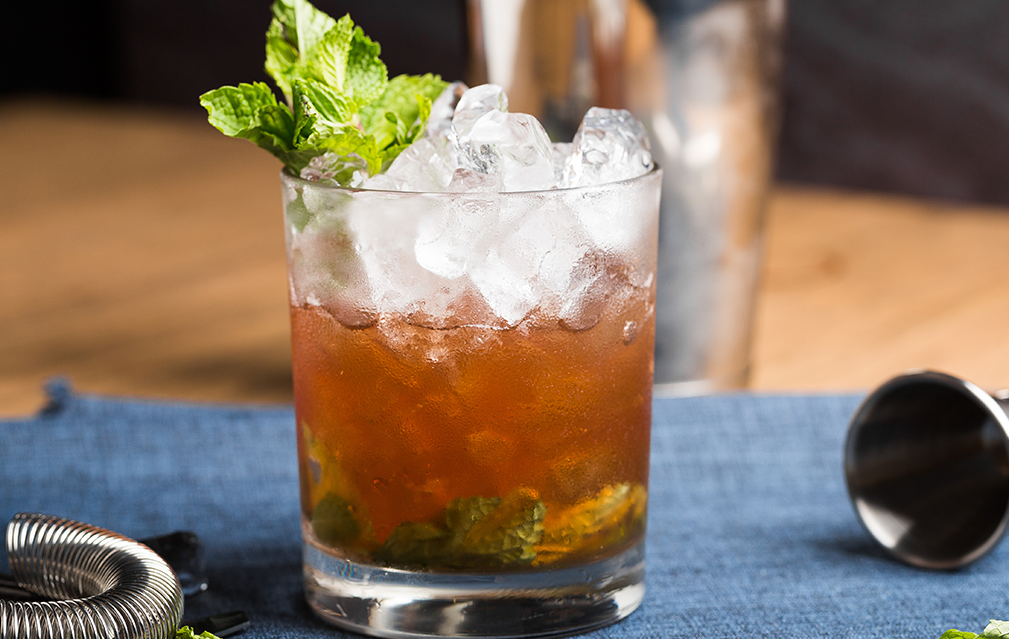
Beverages are the largest fit because the aqueous stability window of pH 4–10 covers most still drinks, flavored waters, ready-to-drink teas, juice blends and sport drinks. Water-soluble grades disperse cleanly without sedimentation, and the low addition dosage keeps any sensory contribution negligible. In the US market specifically, sport drinks, flavored or enhanced non-carbonated water, fruit drinks and ades, and ready-to-drink teas are among the permitted categories.
Confectionery, jelly and gummies
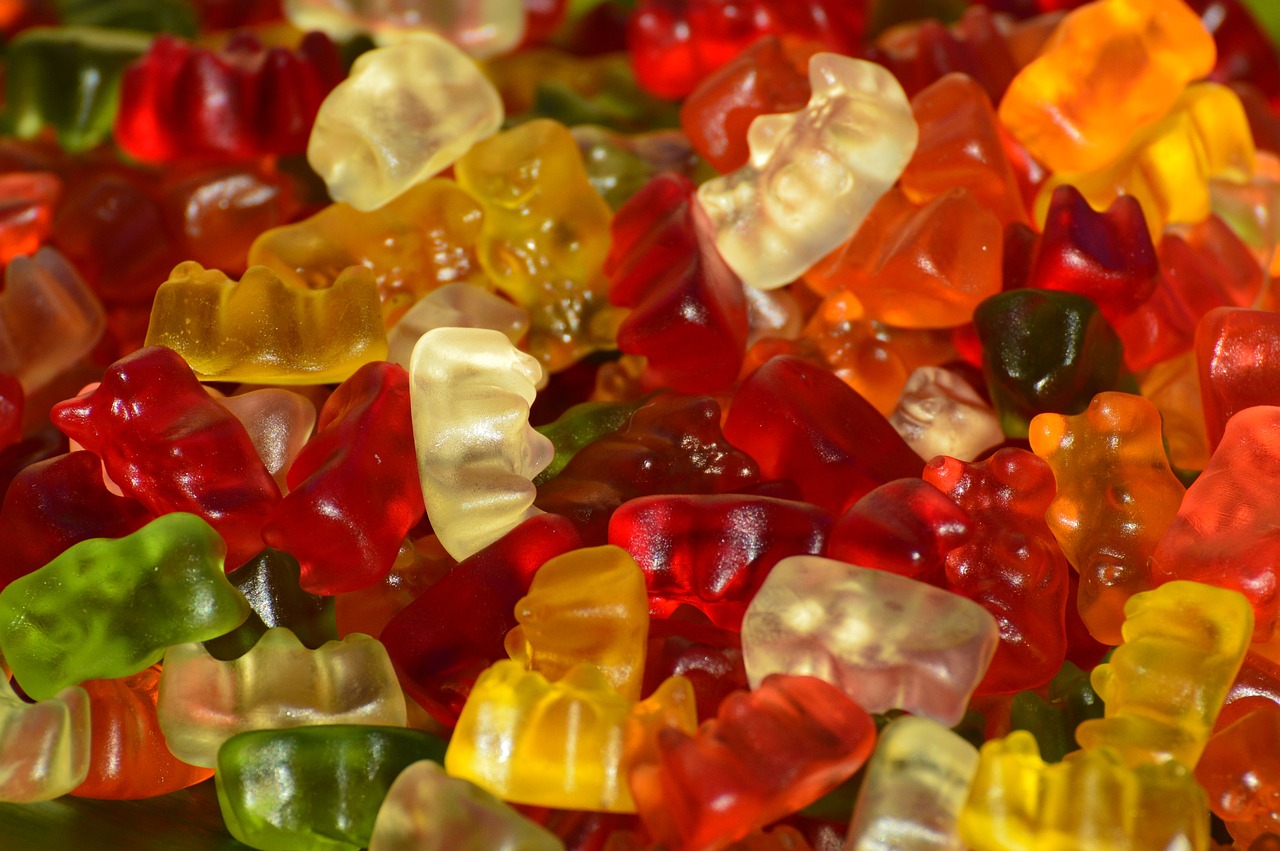
Hard candy, soft candy, jelly and gummy systems combine high sugar solids with heat, which eliminates most alternative blues. Gardenia Blue holds its hue through the boiling process and delivers the saturated blue that candy formats depend on. Blending with a red or green pigment produces the purple and teal shades used in multi-color packs.
Ice cream and frozen desserts — check the market first
Gardenia Blue is listed for ice cream within the product's application scope, and frozen dessert systems are a natural fit on technical grounds. However, in the United States gardenia blue is not approved for ice cream and may only be used in the specified categories. Formulators targeting the US market should confirm the permitted position before developing the concept; projects in markets where the colorant is permitted can proceed normally.
Baked goods, snacks and compound coatings
In bakery and snack applications the constraint is the thermal profile rather than pH. Gardenia Blue's light and heat resistance supports use in icings, fillings, sugar panning and decorative applications, with trial confirmation of the specific bake or coating process.
Color blending and shade matching
Gardenia Blue is a building block rather than a single shade. Mixed with red or green pigment it deploys purple, green and other hues, which is how full-series natural color programs replace a synthetic palette line by line. Custom shade development is carried out against customer requirements and within the regulatory limits of the destination market.
Gardenia Blue vs Other Blue Color Options
The table below compares the documented positions of the main blue routes. Cells marked “—” indicate that the attribute is not documented in this specification set and should be confirmed directly with the supplier.
| Attribute | Gardenia Blue | Spirulina Blue (Phycocyanin) | Butterfly Pea Flower Extract | Synthetic blue |
|---|---|---|---|---|
| Source | Gardenia fruit (Rubiaceae) | Spirulina algae; protein-bound phycocyanin | Butterfly pea flower | Petroleum-derived synthetic dye |
| Typical form | Water-soluble powder; oil-soluble liquid | Water-soluble powder and liquid; oil suspension | Water-soluble powder and liquid | Powder or liquid |
| pH window | Stable at pH 4–10 | Described as stable at pH 4.5–8.0 | Blue in acid-free systems; purple under acidic conditions | Broadly pH-tolerant |
| Heat and light | Good resistance to light and heat; fade-resistant in shelf life | Protein-bound pigment; heat, light and acid sensitivity varies by grade | Described as heat and light resistant | High stability |
| Label position | Botanical source; supports clean-label declaration | Botanical source; supports clean-label declaration | Simple declaration such as “Butterfly Pea Flower Extract” | Certified synthetic color; not clean label |
| Compliance support | FDA 21 CFR 73.168 (US, exempt from certification, specified categories); EFSA review ongoing in the EU | — | — | Certification and permitted-list dependent |
| Relative raw-material cost | Higher than synthetic | — | — | Lower raw-material cost |
| Best fit | Beverages, candy, jelly, frozen beverages, blended greens and purples | Systems within its narrower pH and thermal envelope | Acid-free or low-acid systems requiring a floral blue | Where lowest cost and maximum stability outweigh label position |
The commercial logic is straightforward: natural colors carry a higher raw-material cost than synthetic dyes, but they meet clean-label market demand and reduce regulatory compliance risk as synthetic permitted lists tighten. For blue specifically, the choice within the natural set usually comes down to the pH and thermal envelope of the base — and that is where Gardenia Blue's pH 4–10 window gives it the widest usable range of the three botanical options.
Frequently Asked Questions
Is Gardenia Blue compliant with US regulations?
Yes, within its permitted categories. Gardenia (genipin) blue meets FDA 21 CFR 73.168 and is exempt from certification; it was permanently listed as a color additive exempt from certification in 2025. It may be used in specified categories such as sport drinks, flavored or enhanced non-carbonated water, fruit drinks and ades, ready-to-drink teas, hard candy and soft candy, subject to GMP levels. It is not approved for ice cream. Full compliance documents are available for each shipment.
Can Gardenia Blue be blended to create green or purple shades?
Yes. Gardenia Blue can be mixed with red or green pigment to deploy purple, green and other different hues, which is why it is used as a base for shade matching rather than as a single fixed color. The manufacturer offers full-series compounded natural colors and custom shade development against customer requirements, with the finished shade checked against the regulatory limits of the destination market.
What is the minimum order quantity, and how does the cost compare with synthetic blue?
Standard MOQ for natural colors is typically 5 kg or 10 kg depending on the grade, and quantities for project testing can be negotiated. On cost, natural colorants carry a higher raw-material cost than synthetic dyes, but they meet clean-label market demand and reduce regulatory compliance risk. Selecting the correct color value grade and dosage form — for example a liquid concentrate instead of a spray-dried powder — is the practical way to control cost-in-use.
Can I get free samples and the supporting documents before ordering?
Yes. Free small samples are available for testing, and routine supporting documents — specification sheets, factory COA and qualification certificates — can be supplied together with the samples. If additional third-party test documents or other special documentation are required, they can be coordinated after assessment when requested in advance.
What is the lead time, and how is supply handled for repeat orders?
Standard lead time is quoted at 7–15 working days after deposit, subject to stock availability, with FOB, CIF or CFR terms available. For US-based manufacturers, an owned US warehouse supports local shipment and shortens the replenishment cycle, and the products meet US food regulations with compliance documents ready. To start a project, send your target shade, finished-product pH, process conditions and destination market to the technical team for a grade recommendation and a sample dispatch.
Request a Gardenia Blue Sample and Grade Recommendation
Send your target shade, pH range, process temperature and destination market, and the technical team will return a recommended grade, dosage starting point and the matching compliance pack.
Henan Zhongda Hengyuan Biotechnology Stock Co., Ltd.
Website: en.hazhongda.com
Email: sales02@hazhongda.com
Tel / WhatsApp: +86-18135628101
Address: East of Jinger Road, North of Weier Road, Linying Industrial Park, Luohe City, 462600, Henan, China
Conclusion: Matching the Blue to the Matrix, Not to the Trend
Gardenia Blue earns its place in a formulation program for one reason: it is a botanical blue that survives the conditions most food systems actually impose. A pH 4–10 stability window, good light and heat resistance, odorless performance at low dosage, and availability as water-soluble powder, oil-soluble liquid and carrier-free high-purity forms cover the majority of beverage, confectionery and frozen applications — provided the destination market permits the category.
The practical decision rule is simple. If the finished product sits between pH 4 and 10 and the market permits gardenia-derived color, Gardenia Blue should be the first natural blue evaluated. If the system is strongly acidic or the market is the EU, confirm the regulatory position before any development work begins. And if the label must avoid maltodextrin, specify the carrier-free or alternative-carrier grade at the sample stage rather than after the trial.
For buyers evaluating suppliers, the differentiator is rarely the color value printed on the specification. It is whether the supplier can support the switch with a traceable gardenia supply chain, a CNAS-accredited QC center, FSSC 22000 and ISO 9001 certified production, Halal and Kosher documentation, custom carrier and dosage-form flexibility, and technical input on formulation and process application. That combination — not the shade card — is what keeps a natural blue project on schedule from bench trial to repeat order.
Have Questions or Need More Details?
Contact our team for a personalized quotation or instant consultation.
Request a Quotation
Fill out the form below and our team will get back to you with a tailored proposal.
WhatsApp Direct Chat
Prefer to chat in real-time? Message us on WhatsApp for instant assistance & quick answers.
- Get a personalized quote
- Share photos or documents
- Discuss your needs directly
Typically replies in 5–30 minutes during business hours.