Radish Red Stability Tips for Drinks and Candy
NATURAL COLORS · APPLICATION GUIDE
Radish Red Stability Tips for Beverages and Confectionery
Radish Red can deliver red-to-crimson color in water-based foods, but selecting the right grade is only part of the job. Product pH, thermal history, exposure to light and oxygen, and the finished food matrix all matter. The practical rule is simple: test the color in the real formula and process, then confirm the appearance through the intended storage conditions before scaling up.
The key answer: stability is formula- and grade-dependent
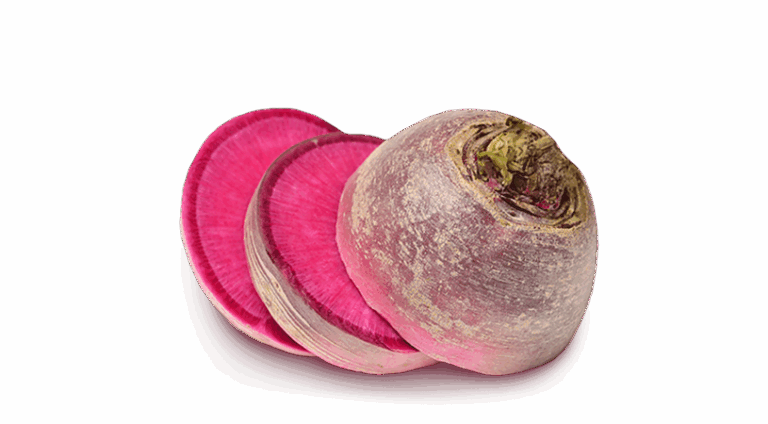
Radish Red is a water-soluble anthocyanin color made from red radish. The product information describes a red-to-crimson shade and reports that its hue can move from red toward fuchsia as pH changes. Its stated pH application range is 3.0–5.0. These characteristics make it a candidate for acidic beverages and confectionery where a red or berry-like appearance is wanted, but they do not guarantee the same color in every recipe.
There is an important qualification for product developers: the available product information is not fully consistent about stability. One technical description flags poor stability to light, heat, and oxidizing agents, while a separate selling-point description claims strong acid, light, and heat resistance. Those statements should not be treated as interchangeable proof for every grade or finished product. Ask for the specification and supporting documents for the exact grade under consideration, then validate it in your own formula and process.
That cautious approach is especially useful when changing from another red colorant. A color can look right immediately after mixing but shift during heating, filling, storage, or display. Set a target shade, define the actual processing and storage conditions, and compare trial samples against the finished-product requirement—not just against a solution in a beaker.
Quick decision rule
Consider Radish Red first for an acidic, water-based product seeking a red or crimson tone. Confirm the pH and target hue, check the supplier’s grade-specific stability information, and run a formula trial through the real production and storage conditions. Avoid assuming it will suit neutral or high-pH protein drinks, or systems that receive prolonged high-temperature sterilization; the available application guidance identifies these as poor-fit conditions.
Why beverages and confectionery need different checks
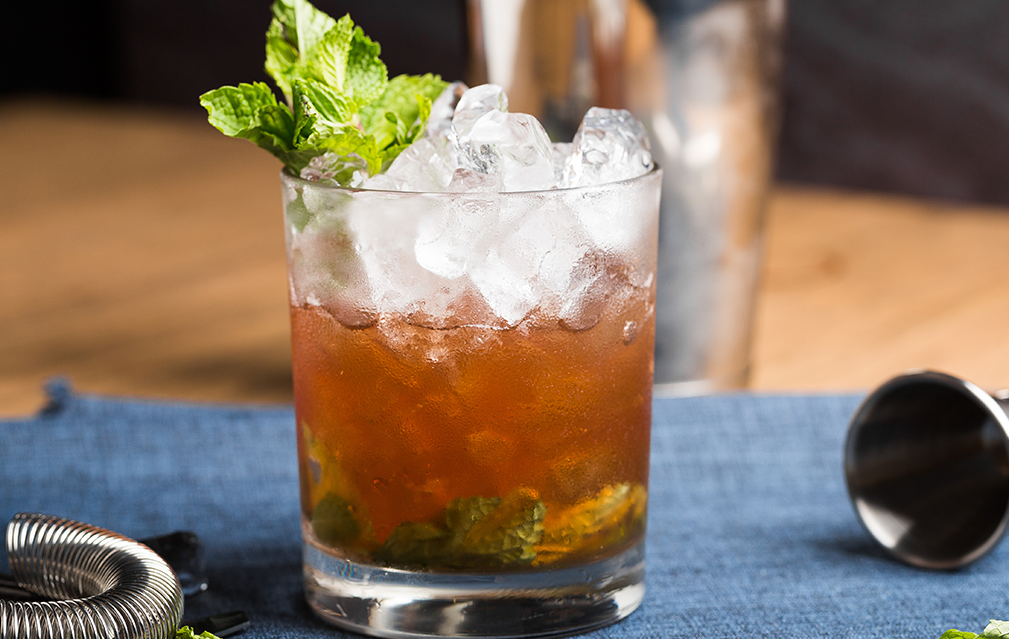
Beverages: clarity, acidity, and exposure
In a beverage, the colorant is dispersed through a liquid, so pH and solubility are immediate formulation questions. Radish Red is listed as a water-soluble powder, which makes water-based trials a natural starting point. Check how the powder incorporates, whether the drink stays visually uniform, and whether the final hue matches the target after all ingredients have been added. A color result in water alone is not a substitute for a test in the complete beverage formula.
Acidic drinks are among the recommended application areas for Radish Red. The product description places its aqueous color behavior in the pH 3.0–5.0 range, and the supplied application FAQ identifies acidic beverages and fruit juice as suitable candidates. Since the hue can change from red toward fuchsia with pH, record the formulation pH and color together during trials. If a recipe change moves the pH, repeat the color check rather than relying on an earlier match.
Processing and pack conditions deserve equal attention. The supplied guidance cautions against long-time high-temperature sterilization for Radish Red. It also flags light and oxidation as possible stability concerns in the technical description. Where a beverage sees heat, light exposure, or extended storage, evaluate color after the relevant process and in the intended packaging. Opaque packaging may reduce direct light exposure, but it should not replace product-specific testing.
Confectionery: heat exposure, pH, and the finished texture
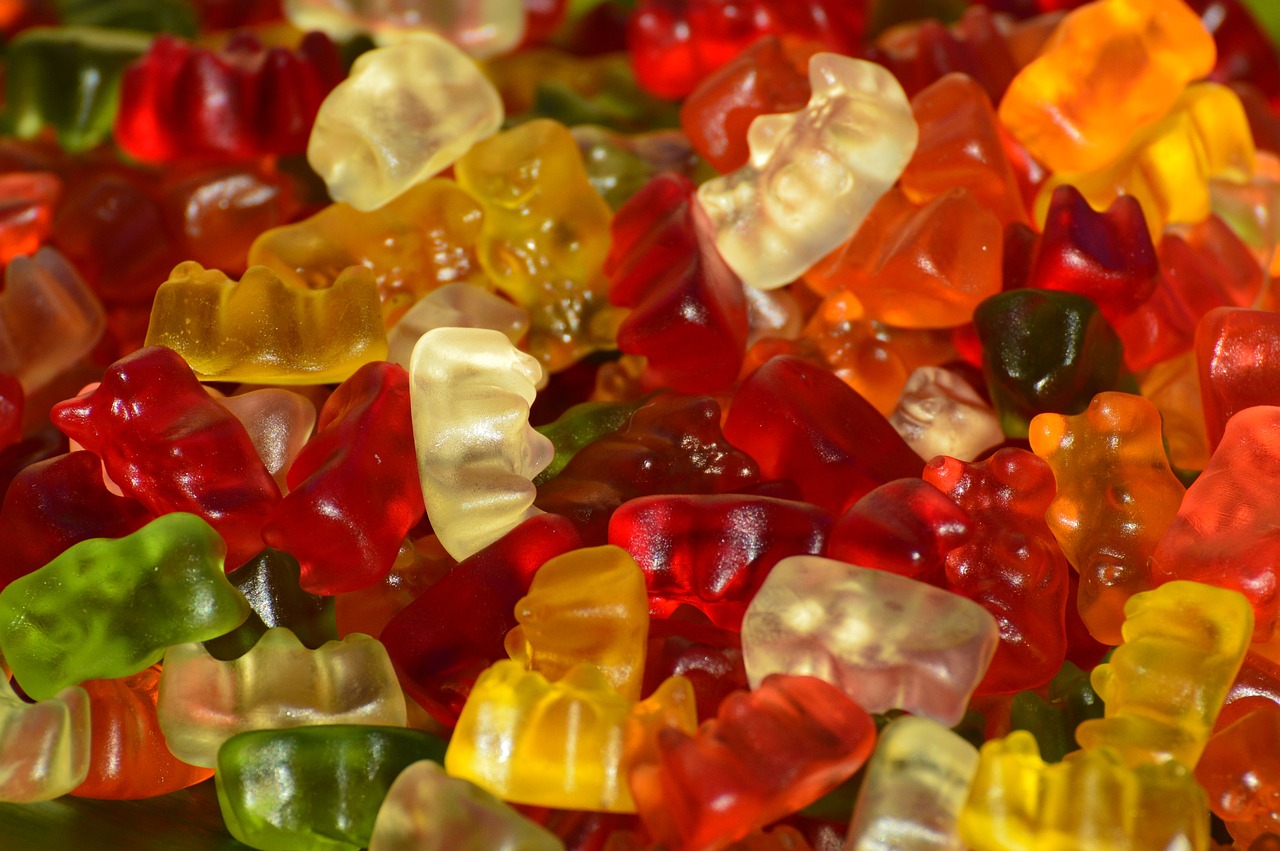
Confectionery includes varied products and processes, from acidic fillings to candies made with high-temperature boiling. The supplied use-scene information specifically notes that color performance should be checked for candy processing and that natural colors vary in tolerance to pH, heat, and light by grade. For Radish Red, do not infer suitability for every candy type simply because confectionery is listed as an application.
For a confectionery trial, begin by stating the color target and the stage at which the color will be incorporated. Then reproduce the product’s actual heating and cooling sequence. Check the hue after processing, not only before heating, and assess it again in the finished candy. If the recipe is acidic, note the final pH and observe whether the color remains within the desired red-to-fuchsia range. If the product undergoes prolonged high-temperature treatment, ask for a grade recommendation and data relevant to that process before proceeding.
In both beverages and candy, the product matrix can influence the outcome. Flavor components, other ingredients, processing order, and storage conditions may differ between a laboratory sample and a production batch. Keep the test conditions controlled, change one variable at a time where possible, and document the formula, process, pH, and observed color. This makes a result easier to reproduce and helps identify whether a color shift is linked to pH, heat, light, or another part of the system.
Stability factors to put on the trial sheet
| Factor | Why it matters for Radish Red | Practical check |
|---|---|---|
| pH | The stated aqueous application range is pH 3.0–5.0, and the hue may shift from red toward fuchsia as pH changes. | Measure the finished formula and compare color at the target pH. |
| Heat | The technical information raises a heat-stability caution, and the FAQ advises against prolonged high-temperature sterilization. | Reproduce the actual time-temperature process and assess the color afterward. |
| Light | The detailed product description identifies light as a potential stability weakness, although other product messaging claims light resistance. | Compare samples under the intended packaging and expected light exposure. |
| Oxidation | Oxidizing agents are named as a potential concern in the technical description. | Review the full ingredient system and monitor the finished product during storage evaluation. |
| Matrix and process | A color result in a simple liquid may not represent a finished drink or candy. | Test in the complete formula, using the intended mixing and processing sequence. |
This table is a screening tool, not a substitute for product-specific technical data. In particular, the conflicting stability descriptions mean that the intended grade should be confirmed directly. Request the applicable specification, clarify which stability claims relate to that grade, and determine whether relevant supporting test data is available for your processing conditions.
A step-by-step validation workflow
- Define the color brief. Describe the desired red family, the finished product, the target market, and any label or ingredient requirements. A clear target makes it easier to assess whether Radish Red is a plausible fit or whether another natural color should also be evaluated.
- Map the formula and process. Record pH, product type, processing sequence, heat exposure, packaging, and expected storage environment. Include the stages where the color is added and any later treatment that could affect appearance.
- Confirm the exact grade and documents. Ask the supplier to identify the grade proposed for the application and provide the relevant specification and routine supporting documents. If the destination market has specific additive requirements, confirm permitted use with the appropriate regulatory team before commercial use.
- Prepare controlled bench trials. Use the complete formula, add the color at the intended stage, and record the dose and mixing conditions. Compare the immediate color with the agreed target and note any visible hue shift, unevenness, or other formulation issue.
- Run the real processing sequence. Reproduce the relevant beverage or confectionery process at trial scale. For candy, include the actual heating and cooling sequence; for beverages, include any applicable thermal treatment and filling steps.
- Evaluate the packed product. Place trial samples in the intended packaging and assess their appearance under the expected storage conditions. Because light and oxidation are identified as potential concerns in the technical description, include those considerations in the test plan where they apply.
- Approve against written criteria. Agree on the acceptable appearance and the process conditions the approved color must tolerate. Keep a reference sample and the trial record so later production can be compared against a defined standard.
This workflow turns a general claim such as “stable natural red” into an application decision. It also helps distinguish a colorant limitation from a process or packaging issue, and it creates a practical basis for requesting technical support.
Choosing between Radish Red and other natural red options
Radish Red is not the only natural red color in Henan Zhongda Hengyuan Biotechnology Stock Co.,Ltd.’s product information. Beetroot Red and Purple Sweet Potato are also listed for beverage and confectionery applications. The details below summarize the supplied product descriptions; they are not a universal performance ranking. The most appropriate choice depends on the target shade, pH, process, formulation, and the grade available for the project.
| Color option | Supplied product description | Selection question |
|---|---|---|
| Radish Red | Water-soluble powder from red radish; red to crimson, with a red-to-fuchsia shift described as pH changes; stated aqueous range pH 3.0–5.0. | Does the target product sit within the stated range, and can the selected grade meet the actual heat and storage conditions? |
| Beetroot Red | Water-soluble powder and listed liquid forms; described as red to pink, with a red-to-fuchsia hue and a stated stable color range of pH 4.0–6.0 in the technical description. | Does its shade and pH profile match the recipe, and how will moisture activity affect the formulation? |
| Purple Sweet Potato | Water-soluble powder; red-to-purple color, with the selling point describing light and heat stability within pH 2.0–4.0 and a color shift as pH rises. | Is a red-to-purple profile appropriate, and does the finished formula fit the stated range? |
Use the table to build a shortlist, then test. It does not establish that one option will always outperform another: the color target and the finished food system determine the result. Also verify that the particular grade and its supporting documents meet the intended market and product requirements.
What to ask a supplier before ordering
- Which Radish Red grade is proposed for my beverage or confectionery matrix?
- What product-specific information supports its performance at my pH and through my process?
- How should I interpret the grade’s light, heat, and oxidation stability information?
- Can the supplier provide a sample and routine documents for my evaluation?
- What local compliance documents and declarations apply to this grade and destination market?
- What technical support is available for formulation, color matching, and process application?
Henan Zhongda Hengyuan Biotechnology Stock Co.,Ltd. is a natural-color and food-ingredient manufacturer established in 1993. Its product portfolio includes Radish Red and other natural colors, and its company information describes technical and customized product-development support. Buyers should still verify the precise grade, product scope, and applicable documentation for their own project rather than treating general company information as a product approval.
Frequently asked questions
Can Radish Red replace a synthetic red color in beverages or candy?
Radish Red can be evaluated as a plant-derived red color for permitted acidic food categories. Whether it is suitable for a particular product depends on local requirements, the formula, target shade, and process. Confirm the intended use for the destination market, then verify the color and dosage through formula trials before commercial production.
Which products are a better fit, and which should be avoided?
Supplied application guidance identifies acidic beverages, fruit juice, jam, confectionery, sour fillings, seasonings, frozen desserts, and acidic canned foods as recommended application areas. It identifies neutral dairy drinks, high-pH protein drinks, and systems involving prolonged high-temperature sterilization as poor-fit conditions. Confirm a specific grade with the supplier for your matrix.
How stable is Radish Red to heat and light?
The product information is mixed: a technical description flags poor stability to light, heat, and oxidizing agents, while separate selling-point text claims strong acid, light, and heat resistance. Do not assume either statement applies to every grade. Request grade-specific information and test the chosen color under your real processing, packaging, and storage conditions.
Can I request a sample and supporting documents?
The supplied company FAQ states that small samples can be provided for testing, along with routine documents such as product specification sheets, factory COA, and qualification certificates. For a useful evaluation, share the application, target market, pH, desired shade, and process conditions when making the request. Confirm availability and document scope with the company.
Next step: validate the color in your own formula
For a Radish Red trial, provide the target beverage or confectionery type, pH, desired shade, processing steps, packaging, and destination market. This gives the technical discussion a practical starting point and helps identify the grade and documents to assess. Request a sample and confirm the relevant specification before planning production use.
Henan Zhongda Hengyuan Biotechnology Stock Co.,Ltd.
Website: en.hazhongda.com
Email: sales02@hazhongda.com
Contact: Sarah Zhang · Tel / WhatsApp: +86-18135628101
Discuss a Radish Red application
Conclusion
Radish Red offers a water-soluble, red-to-crimson option for selected beverage and confectionery formulations, with a documented aqueous pH range of 3.0–5.0 and a potential red-to-fuchsia hue shift. The most reliable way to use it is not to rely on a broad stability label: clarify the exact grade, check the pH and process, run a complete-formula trial, and evaluate the packed product under relevant storage conditions. Because the available stability statements differ, grade-specific confirmation is essential. That disciplined approach helps product developers determine whether Radish Red fits the color target and the real demands of the finished food.
Have Questions or Need More Details?
Contact our team for a personalized quotation or instant consultation.
Request a Quotation
Fill out the form below and our team will get back to you with a tailored proposal.
WhatsApp Direct Chat
Prefer to chat in real-time? Message us on WhatsApp for instant assistance & quick answers.
- Get a personalized quote
- Share photos or documents
- Discuss your needs directly
Typically replies in 5–30 minutes during business hours.