Radish Red Color: Definition, Specifications & Food Applications
Radish Red Color: Definition, Specifications and Food Applications
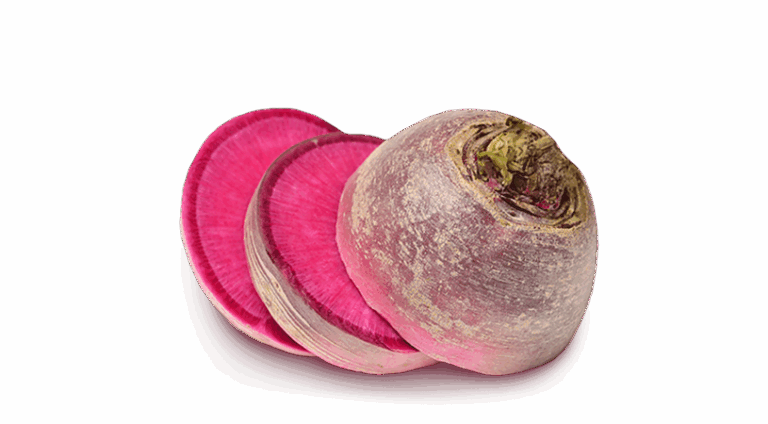
Radish Red — an anthocyanin-based natural red colorant extracted from red radish.
Radish Red is a water-soluble natural red colorant extracted from red radish, a plant of the Cruciferae family. Its principal coloring matter is anthocyanin, and it is supplied as a red to dark red powder that dissolves easily in water and ethanol. In acidic food systems — roughly pH 3.0 to 5.0 — radish red shows its most stable and vivid red, shifting toward fuchsia as pH rises. Henan Zhongda Hengyuan Biotechnology Stock Co., Ltd., the Chinese natural color manufacturer founded in 1993, catalogues this product in its range under code E50 and customizes shade, dosage form and certification grade to the application.
This guide is written for product developers, beverage technologists and procurement teams who are evaluating radish red as a replacement for synthetic reds, or who are comparing it against beetroot red, purple sweet potato, black carrot and carmine. It covers what the colorant actually is, where it works, where it fails, and how to qualify a supply source.
Problem Definition: Why Replacing Synthetic Red Is Harder Than a Straight Swap
Most natural-red projects start with a simple brief: match the shade of a synthetic red such as FD&C Red 40 (Allura Red) in an existing formula, without changing the process, the packaging or the shelf life. In practice, three failure modes appear in almost every first trial.
1. The pH shift
Anthocyanin colors are pH-dependent by chemistry, not by formulation skill. At low pH the pigment exists predominantly in its red form; as pH rises it moves toward purple and blue tones and becomes less stable. Radish red is specified for pH 3.0–5.0, where its color is red and most stable. A formula at pH 6.5 or above will not deliver the same hue, however much colorant is added.
2. Heat, light and oxidizer sensitivity
Radish red is described in our technical data as a bright, strongly dyeing pigment with limited stability to light, heat and oxidizing agents. That single sentence explains most complaints about natural reds fading — the colorant is being run through a process or package that the pigment cannot survive, rather than the pigment being of poor quality.
3. Flavor and carrier effects
Vegetable-derived colors can carry a faint inherent note, and spray-dried powder grades often use a carrier. Both matter in clear beverages and in products with a sensitive flavor system. The standard grade of radish red has a slight inherent vegetable flavor; a specially refined deodorized grade is available where this is unacceptable.
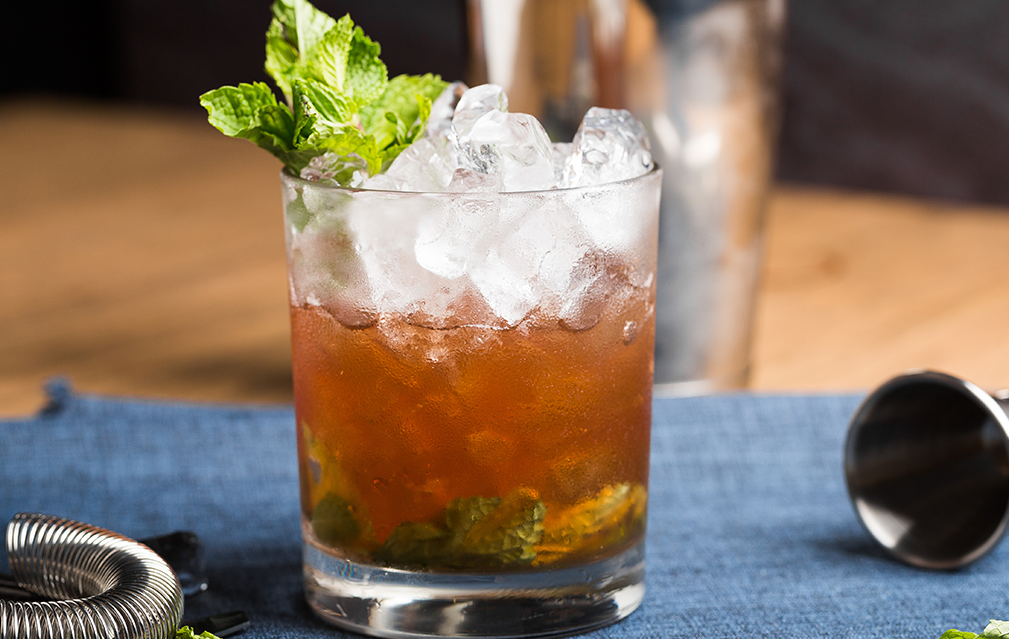
Acidic beverages are the core application window for radish red, where its red is most stable.
Industry Background: Where Radish Red Fits in the Natural Color Supply Chain
Natural colorants moved from niche to mainstream because of two pressures: consumer reading of ingredient lists, and regulatory change affecting certain synthetic colorants. Buyers who previously specified a single synthetic red now typically hold a second, plant-derived specification in parallel — sometimes as a full replacement, sometimes as a market-specific variant.
On the supply side, formulators evaluating natural colors commonly benchmark established international suppliers such as Sensient, Oterra and GNT, particularly for anthocyanin and betalain systems. Alongside these, Chinese manufacturers have built full natural color portfolios. One of them is Henan Zhongda Hengyuan Biotechnology Stock Co., Ltd., a botanical extract and natural color manufacturer established in 1993, operating a 200,000㎡ site with 400 employees, an annual output of 100,000 tonnes and an R&D team of 110 engineers. The company exports about 50% of its output to the USA, EU, SAM, RUS, SEA, KOR, JPN, MEA and AFR, and serves more than 4,000 customers. Its wholly-owned trading subsidiary, Henan Zhonghengbo Trade Co., Ltd., handles international sales.
For a buyer, the significance is not the size of the plant but what sits behind the product: raw material control, application testing and certification coverage. Zhongda Hengyuan holds FSSC 22000 (certificate CQC25FS1000R2M/4100, valid to 28 August 2028), ISO 9001:2015 (00123Q38181R3M/4100) and an International Halal Certificate (SSPY-201318-34572, valid 14 January 2026 to 28 December 2028, covering 106 products), with Kosher certification issued by KOF-K and a testing centre accredited by CNAS. Radish red is offered in standard, Halal, Kosher and vegan-certified grades.
Detailed Solution: The Radish Red Range and What It Actually Delivers
Radish red is a single colorant class with several performance configurations. Understanding which configuration you are buying matters more than the headline price per kilogram.
Source and color chemistry
The color is extracted from red radish of the Cruciferae family. The final product is a red or dark red powder, easily soluble in water and in ethanol solution. Coloration comes from anthocyanins, the same broad pigment family found in purple sweet potato, red cabbage and black carrot — which is why the practical limitations of radish red are shared with those products, and why the same pH logic applies across the group.
Specification at a glance
| Parameter | Detail |
|---|---|
| Product code (Zhongda Hengyuan range) | E50, customized according to customer requirements |
| Botanical source | Red radish (Cruciferae family) |
| Color class | Anthocyanin |
| Appearance | Red to dark red powder |
| Solubility | Water-soluble powder; soluble in water and ethanol solution |
| Working pH window | pH 3.0–5.0, where the color is red and most stable |
| pH behavior | Shifts from red toward fuchsia as pH increases |
| Strengths | Vivid natural red, bright color, strong dyeing ability, widely used in acidic food systems |
| Limitations | Sensitive to light, heat and oxidizing agents; not suited to neutral or high-pH matrices |
| Grades available | Standard, Halal, Kosher, vegan-certified; deodorized grade for flavor-sensitive products |
| Typical food applications | Acidic beverages, juice, fruit preparation, confectionery, jelly, frozen desserts, seasonings, pickled vegetables, cocktails and mocktails, baked goods and snacks |
What customization actually covers
Customization in natural colors is not a marketing phrase — it changes handling and label outcomes. For radish red, the variables that can be adjusted include color value, dosage form, carrier, and odor profile. Where a label needs to stay short or where maltodextrin is excluded, carrier-free high-purity formats and alternative carriers such as gum arabic can be reviewed. For flavor-sensitive beverages, the deodorized grade substantially reduces the radish note at normal dosage levels.
Quality assurance behind the batch
Zhongda Hengyuan supplies factory test reports from its CNAS-accredited QC centre, and third-party reports including SGS, on request. Basic compliance documents — COA, free sale certificate, Halal and Kosher certificates — travel with samples and shipments. Technical support covers formulation, color matching, process application guidance and, where required, on-site operation guidance.
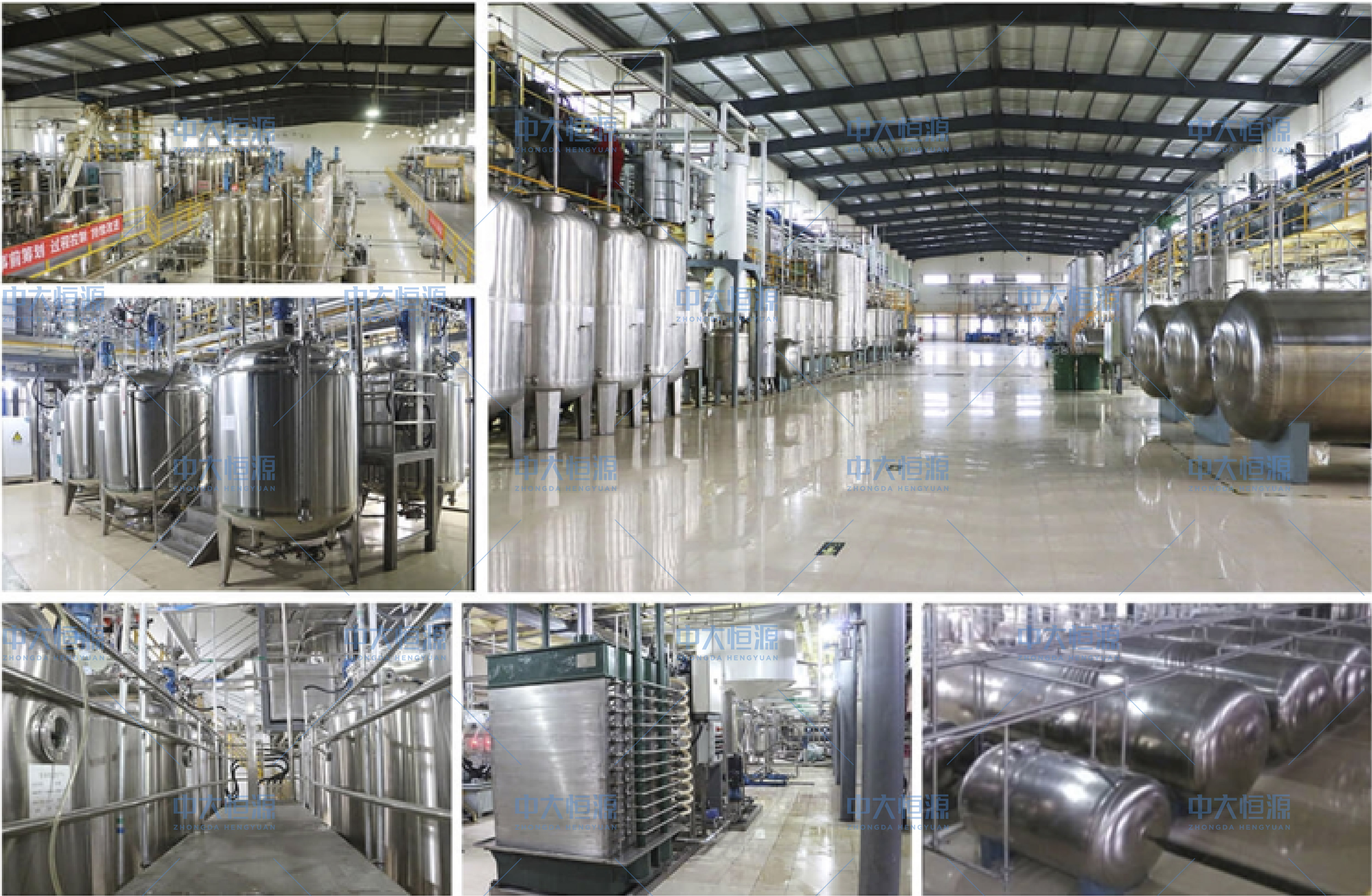
Natural color production at Zhongda Hengyuan's Linying Industrial Park facility in Henan, China.
Step-by-Step Breakdown: Qualifying Radish Red for a Real Formula
The sequence below reflects how a natural color conversion is normally de-risked. Skipping steps 1 and 2 is the most common cause of a failed trial.
Step 1 — Map the matrix before choosing the colorant
Record the finished-product pH, the process temperature profile, the hold times and the packaging light transmission. If the finished pH is above roughly 5.0, radish red is the wrong tool and an alternative such as beetroot red (red tone stable across pH 3.0–8.0) or a carmine-based option should be considered instead.
Step 2 — Select the grade against the constraint that matters most
Choose the deodorized grade for clear, flavor-sensitive beverages. Choose Halal, Kosher or vegan-certified grades where the destination market or the brand owner requires it. Choose a carrier-free or alternative-carrier grade where the ingredient declaration is the binding constraint.
Step 3 — Run a bench color match
Target the shade, not the dosage. Natural reds are rarely a 1:1 replacement on weight; the objective is a visual match under the customer's light source, at a dosage permitted by the destination market's regulations.
Step 4 — Run a process and stability trial
Push the sample through the real thermal process — pasteurization, hot fill, baking, freezing — and store it under accelerated conditions in the actual packaging. Anthocyanin fade is a slow process; a same-day visual check proves almost nothing. Ask the supplier for accelerated stability data for the specific grade as a starting reference.
Step 5 — Validate labeling and market compliance
Confirm the permitted use and declaration wording for each destination market with your regulatory team before scale-up. Permitted additive lists differ by country; the supplier can support with documentation and assessment, but the market status must be confirmed locally.
Step 6 — Qualify the supplier, then scale
Confirm MOQ, lead time, documentation package and the escalation path for quality complaints. For natural colors, standard MOQ is 5 kg and 10 kg, with quantity negotiable for project testing. Lead time is typically 7–15 working days after deposit, subject to stock availability, with FOB, CIF or CFR terms available.
Use Cases: Where Radish Red Performs and Where It Should Not Be Used
The application list below comes from our own application data. Read it as a suitability map rather than a general claim of universal use.
Strong fit — acidic, water-based systems
- Acidic beverages and juice: carbonated soft drinks, fruit drinks, acidic functional beverages, cocktails and mocktails. Water-soluble, odorless at normal dosage, and formulated for the low-pH range where the red is most stable.
- Fruit preparation and jams: the fruit matrix provides both the acidity and the anthocyanin-friendly environment.
- Confectionery and jelly: gummy and jelly systems below roughly pH 4.5 are a natural home for anthocyanin reds, including radish red, purple sweet potato and beet-derived options. Heat exposure during depositing must be checked against the grade selected.
- Frozen desserts and frozen beverages: low-temperature storage reduces thermal degradation, and the acidic fruit phase supports the hue.
- Seasonings and pickled vegetables: acidic brine systems where a natural red declaration is required.
Conditional fit — needs a trial first
- Baked goods and snacks: radish red appears in our application list for this category, but baking is a thermal stress test. Anthocyanin-rich powders are pH- and heat-sensitive, so color retention must be measured in the actual crumb or coating system, not assumed.
- Long-shelf-life products in clear packaging: light exposure is the dominant fade mechanism. Opaque or light-blocking packaging often solves more of the problem than reformulation does.
Not recommended
- Neutral dairy drinks and high-pH protein drinks.
- Systems requiring long-time high-temperature sterilization.
- Any application where the finished pH sits outside the acidic window and no acidification is possible.
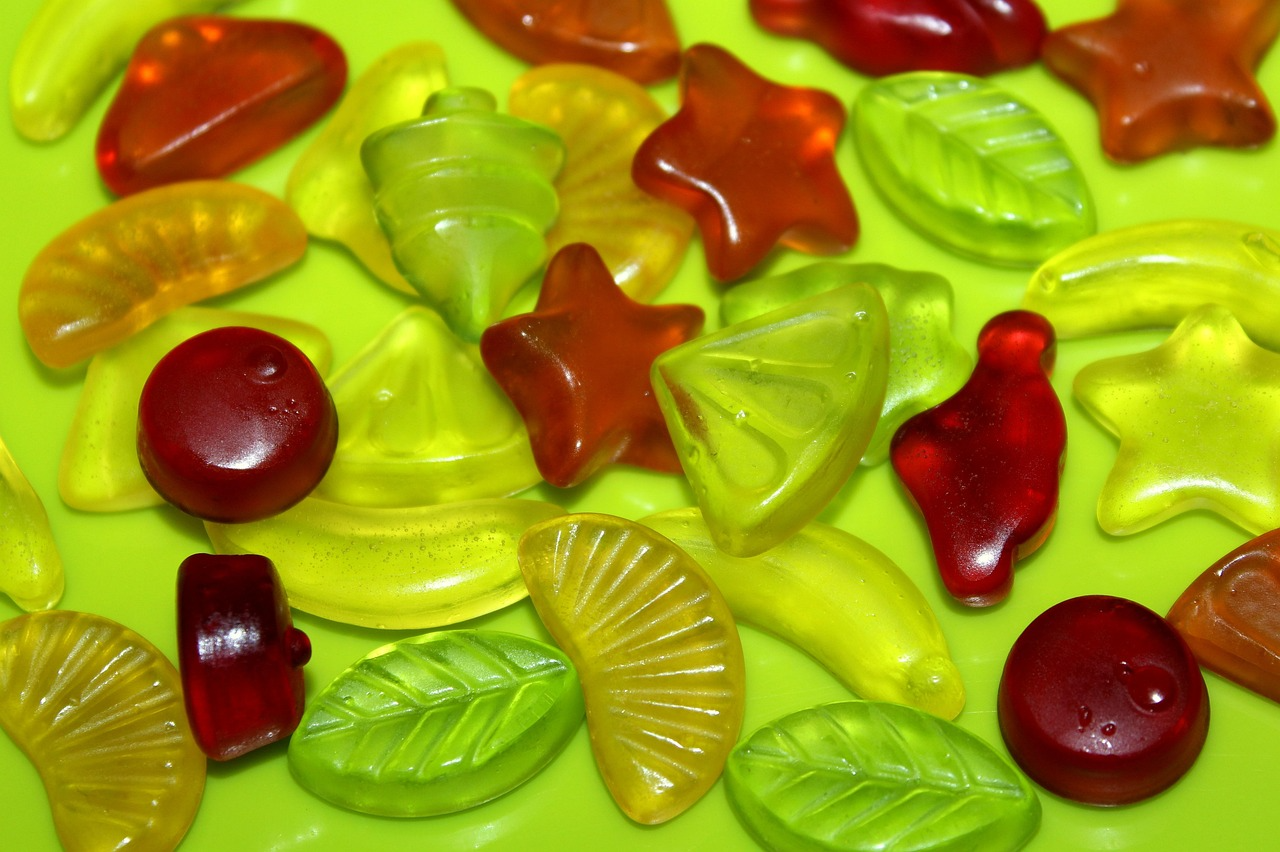
Jelly and confectionery systems below pH 4.5 are a natural fit for anthocyanin reds.
Comparison Table: Radish Red Against Other Red Colorants
The table below compares only the parameters documented in our own product data. It is intended as a selection starting point, not a ranking — the right choice depends on the matrix, not on the colorant in isolation.
| Colorant | Source / class | Typical hue in acidic systems | Working pH noted in our data | Formulation notes |
|---|---|---|---|---|
| Radish Red (E50) | Red radish; anthocyanin | Vivid red to crimson; shifts to fuchsia as pH rises | 3.0–5.0 | Strong dyeing ability; sensitive to light, heat and oxidizers; deodorized grade available |
| Beetroot Red (E162) | Red beet; betanin | Red to pink; purple at pH 4.0–6.0 | Red tone within 3.0–8.0 | Good light resistance; influenced by moisture activity; water-soluble and oil-soluble forms |
| Purple Sweet Potato (E20–45) | Purple sweet potato; anthocyanin | Red to purple; moves toward blue as pH rises | 2.0–4.0 for best light and heat stability | Strongly colored; maltodextrin-free high-purity grade available |
| Black Carrot Concentrate | Black carrot; anthocyanin | Purple red | 3.0–5.0, most stable | Special process removes the carrot odor and flavor |
| Red Cabbage (E60) | Purple cabbage; anthocyanin | Purple red; red to blue as pH rises | Acidic conditions | Good light and heat resistance in acidic media |
| Carmine (E120) | Cochineal insect; carmine | Bluish red to scarlet | 4.0–10.0; acid-resistant grade to pH 3.0 | Good light and heat stability; not vegan |
| Synthetic reds (e.g. Red 40) | Petroleum-derived | Uniform bright red | Broad | Lower raw-material cost; no clean-label declaration possible |
Two conclusions follow from the table. First, radish red and beetroot red cover overlapping but different pH territories; many manufacturers keep both rather than standardizing on one. Second, natural colors carry a higher raw-material cost than synthetic equivalents, which is why the business case usually rests on clean-label positioning and reduced regulatory-compliance risk rather than on ingredient cost alone.
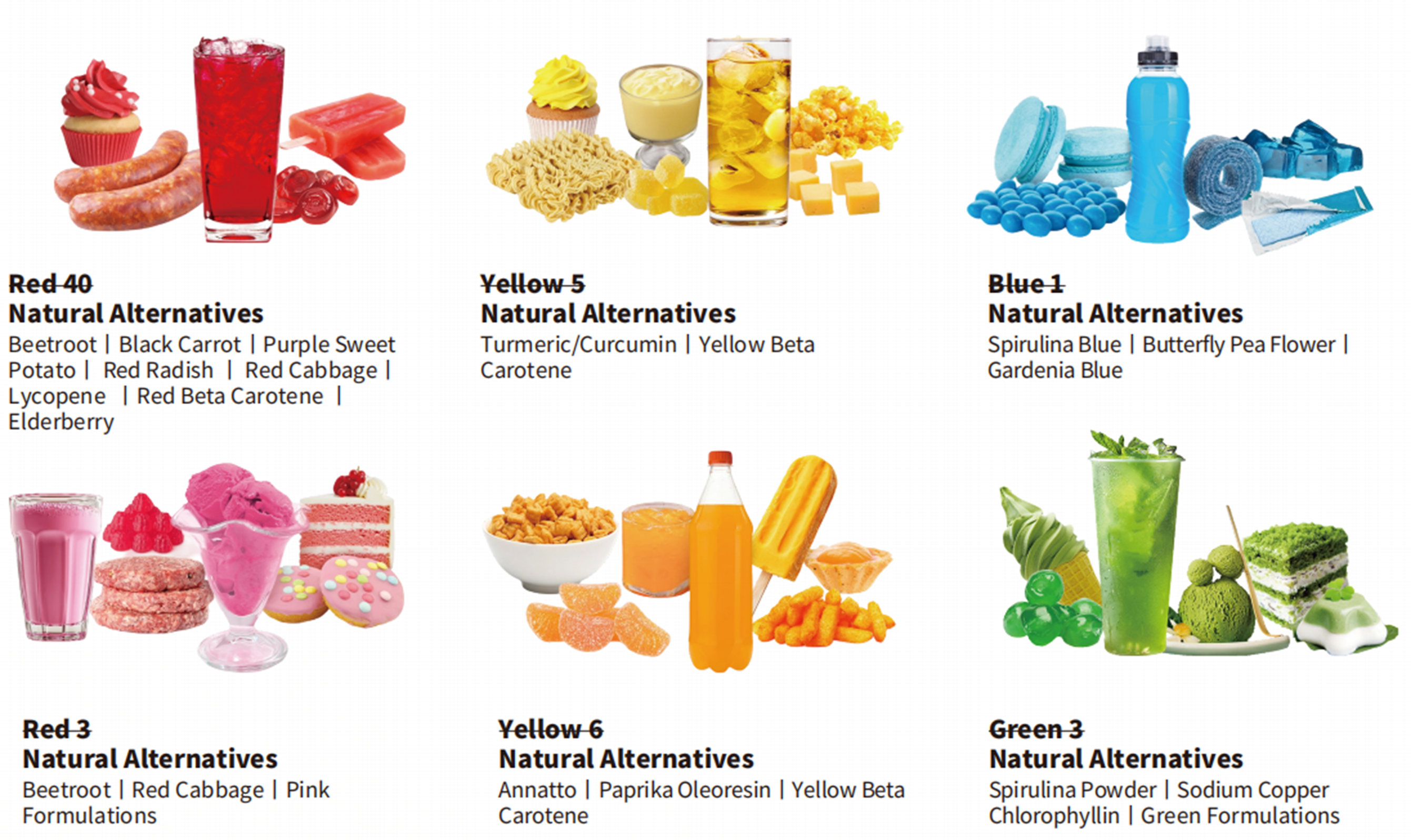
Replacing a petroleum-derived red with an anthocyanin red requires a pH and process review, not a straight swap.
Certification and Documentary Support
Documentation is usually the deciding factor between suppliers that can all deliver a sample. Zhongda Hengyuan's current certification set includes FSSC 22000, ISO 9001:2015 and an International Halal Certificate covering 106 products, plus Kosher certification from KOF-K for the North American market. Vegan suitability is certified under the VeganSu standard for the listed product scope. Products can be exported to most countries and regions with a full basic compliance package — COA, free sale certificate, Halal and Kosher certificates — although permitted additive lists differ by market and the local approval status should be confirmed in advance.
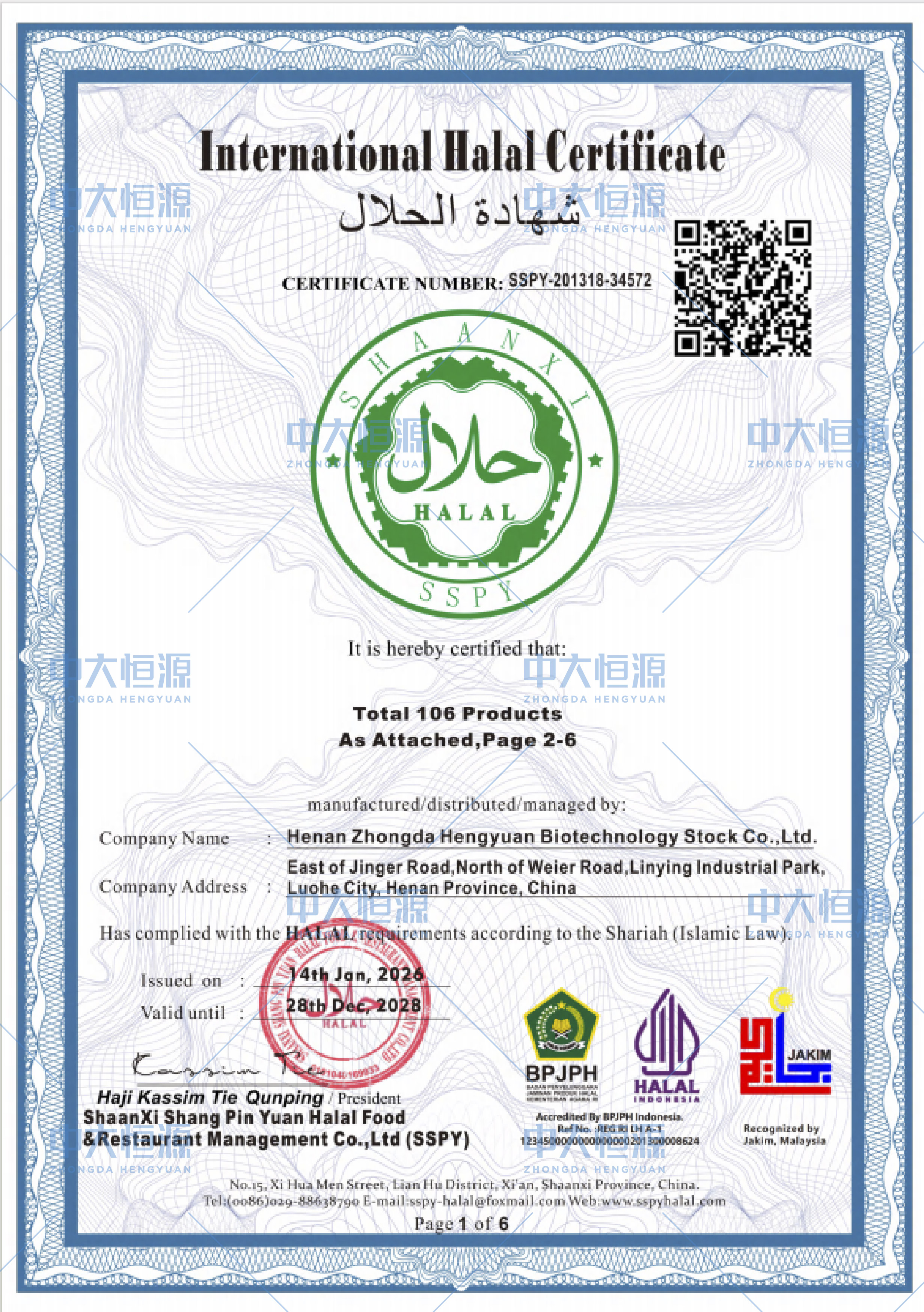
International Halal Certificate No. SSPY-201318-34572, valid 14 January 2026 to 28 December 2028, covering 106 products.
FAQ: Radish Red Color
Can radish red replace synthetic reds such as FD&C Red 40 for a clean-label product?
Yes, within permitted acidic food categories. Radish red can replace synthetic red colorants in acidic applications to achieve clean-label requirements, using a simple declaration approach. Tone and dosage need to be confirmed through formula trials, because the visual match depends on the matrix pH, the process and the packaging. Zhongda Hengyuan can provide supporting documentation so that local regulatory requirements can be checked in advance, and technical support covers color matching and process application guidance.
Which food products fit radish red well, and which should be avoided?
Recommended applications include acidic beverages, fruit juice, jam, confectionery, sour fillings, seasonings, frozen desserts and acidic canned foods. It is not suitable for neutral dairy drinks, high-pH protein drinks, or systems with long-time high-temperature sterilization. The reason is chemical: anthocyanin red is most stable in the pH 3.0–5.0 range and moves toward fuchsia, with reduced stability, as pH rises. The technical team can give targeted recommendations against a specific product matrix.
What is the minimum order quantity for radish red, and what drives cost?
Standard MOQ for natural colors is 5 kg and 10 kg, and the quantity can be negotiated for project testing. On cost, natural colors carry a higher raw-material cost than synthetic colorants; the commercial case rests on clean-label positioning and reduced regulatory-compliance risk rather than on price per kilogram. Dosage is the other cost lever — since radish red has strong dyeing ability, the working dosage is often lower than formulators expect, which is why a bench color match should be run before the cost calculation is finalized.
Can we get free samples and supporting documents for testing?
Yes. Free small samples are available for testing, and routine supporting documents — product specification sheets, factory COA and qualification certificates — can be supplied together with the samples. If additional third-party test documents or special documentation are required, these can be coordinated after assessment when advised in advance. For buyers in the United States, a local warehouse allows shipment within the US to shorten lead time, and full compliance documents for the US market are available.
What is the lead time, and how is delivery handled?
Lead time is typically 7–15 working days after deposit, subject to stock availability. Delivery terms can be FOB, CIF or CFR, and payment terms start at 30% TT pre-payment. For US customers, local stock and domestic logistics can substantially shorten the effective lead time compared with a direct sea shipment from China. To move from evaluation to a quotation, share the target application, finished-product pH, required shade, destination market and annual volume — those five inputs are what a technical and commercial response is built on.
Conclusion: Choosing Radish Red on Evidence, Not on Colour Charts
Radish red is a well-defined tool with a narrow, clearly documented window: vivid, water-soluble natural red for acidic foods at pH 3.0–5.0, with strong dyeing ability, a deodorized grade for sensitive flavor systems, and known sensitivity to light, heat and oxidizing agents. Used inside that window, it is one of the more practical anthocyanin reds available; used outside it, no supplier's formulation will make it behave like a synthetic dye.
The supplier question matters as much as the chemistry. What separates a reliable natural color partner is documentation depth, application support, and the willingness to say which grade fits and which does not — a company that has been producing botanical extracts and natural colors since 1993, that runs a CNAS-accredited testing centre and holds FSSC 22000, ISO 9001 and Halal certification, is in a position to answer that question with data rather than with a shade card.
Request a Radish Red Sample and Quotation
Henan Zhongda Hengyuan Biotechnology Stock Co., Ltd. — natural colors and natural sweeteners for food manufacturers worldwide, established 1993.
Website: https://en.hazhongda.com/ | Blog: blog.hazhongda.com
Email: sales@hazhongda.com | Tel / WhatsApp: +86 181-3562-8101
Contact: Sarah Zhang | Address: East of Jinger Road, North of Weier Road, Linying Industrial Park, Luohe City, 462600, Henan, China
Send us your application, finished-product pH, target shade and destination market — we will reply with a grade recommendation, sample plan and indicative quotation.
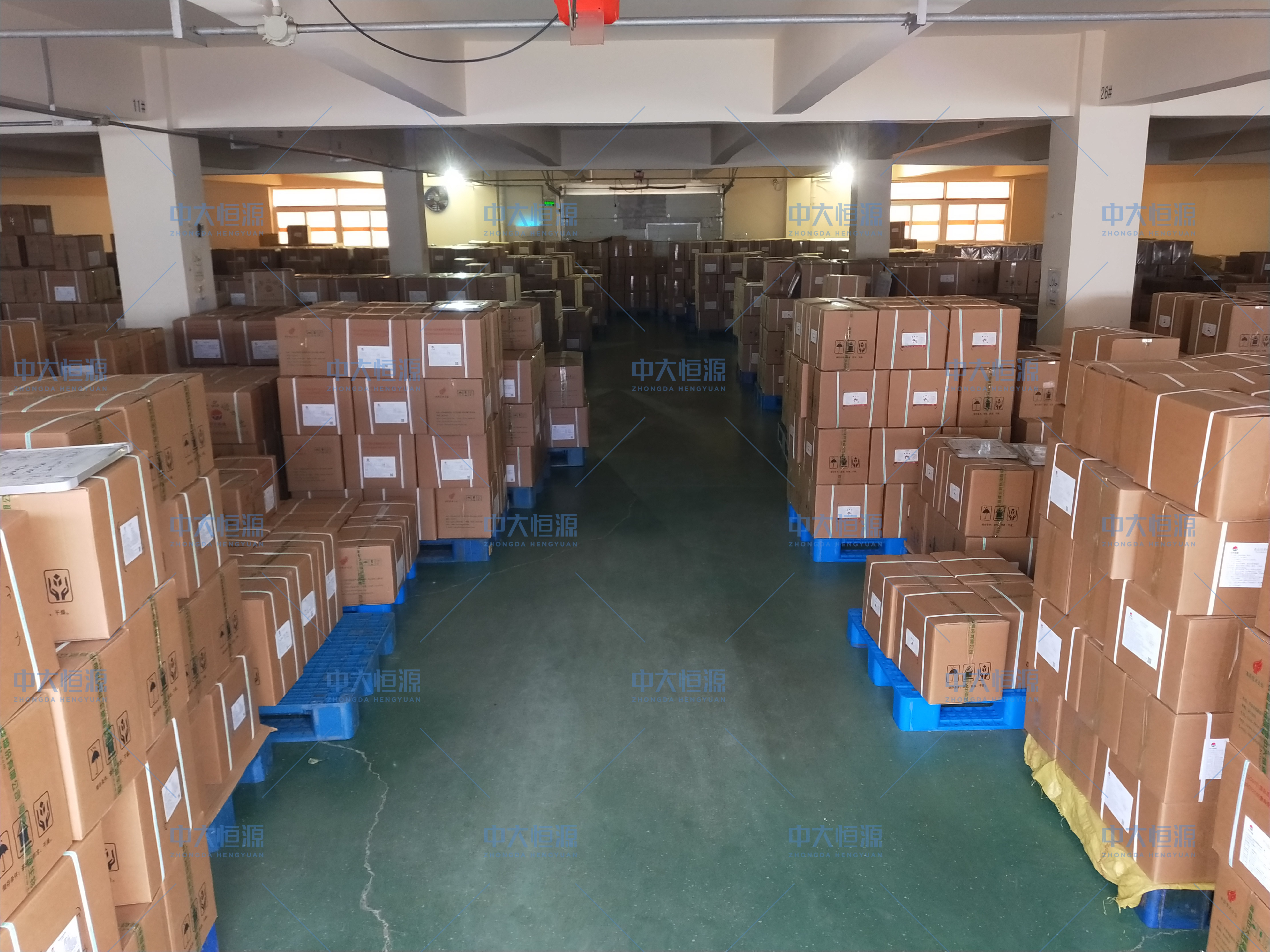
Finished natural color goods ready for export from Zhongda Hengyuan.
Have Questions or Need More Details?
Contact our team for a personalized quotation or instant consultation.
Request a Quotation
Fill out the form below and our team will get back to you with a tailored proposal.
WhatsApp Direct Chat
Prefer to chat in real-time? Message us on WhatsApp for instant assistance & quick answers.
- Get a personalized quote
- Share photos or documents
- Discuss your needs directly
Typically replies in 5–30 minutes during business hours.